1. Nallur Kandaswamy Kovil: The Spiritual Epicenter
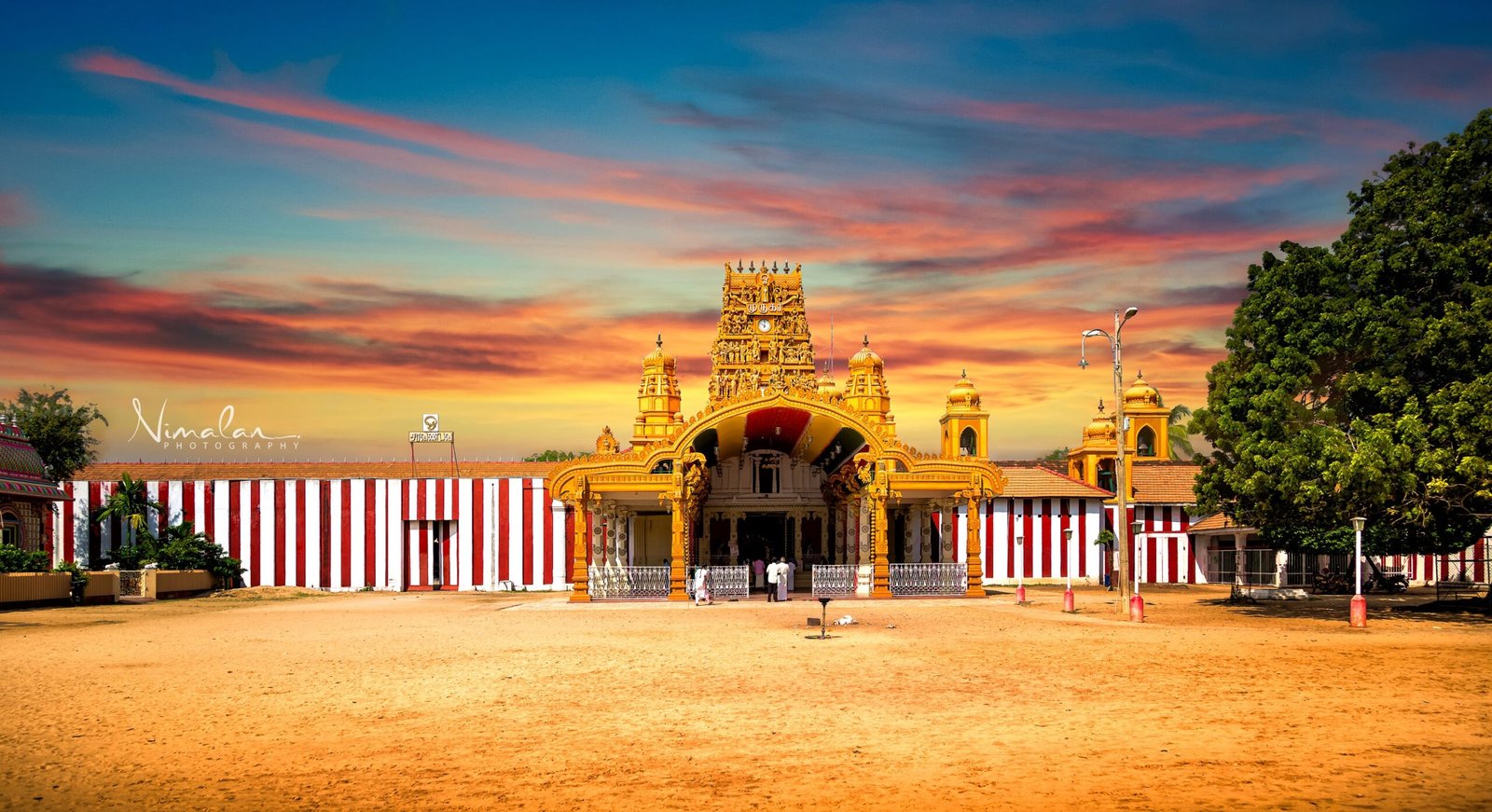
When listing things to do in Jaffna, the Nallur Kandaswamy Kovil always takes the top spot. Originally built in 948 AD, the current structure is the fourth iteration, standing as a symbol of Hindu identity. The temple is dedicated to Lord Murugan (Skanda), the God of War and Beauty. Its towering golden-ochre Gopuram is a masterpiece of Dravidian architecture, visible from miles away.
Stepping inside is a sensory journey. The air is thick with the scent of burning camphor and incense, and the sound of the Nagaswaram echoes through the pillared halls. The temple is famous for its 25-day annual festival in August, featuring grand chariot processions and intense displays of devotion. Remember, men must enter the inner sanctum bare-chested, and all visitors should dress modestly.
2. Jaffna Public Library: A Beacon of Knowledge
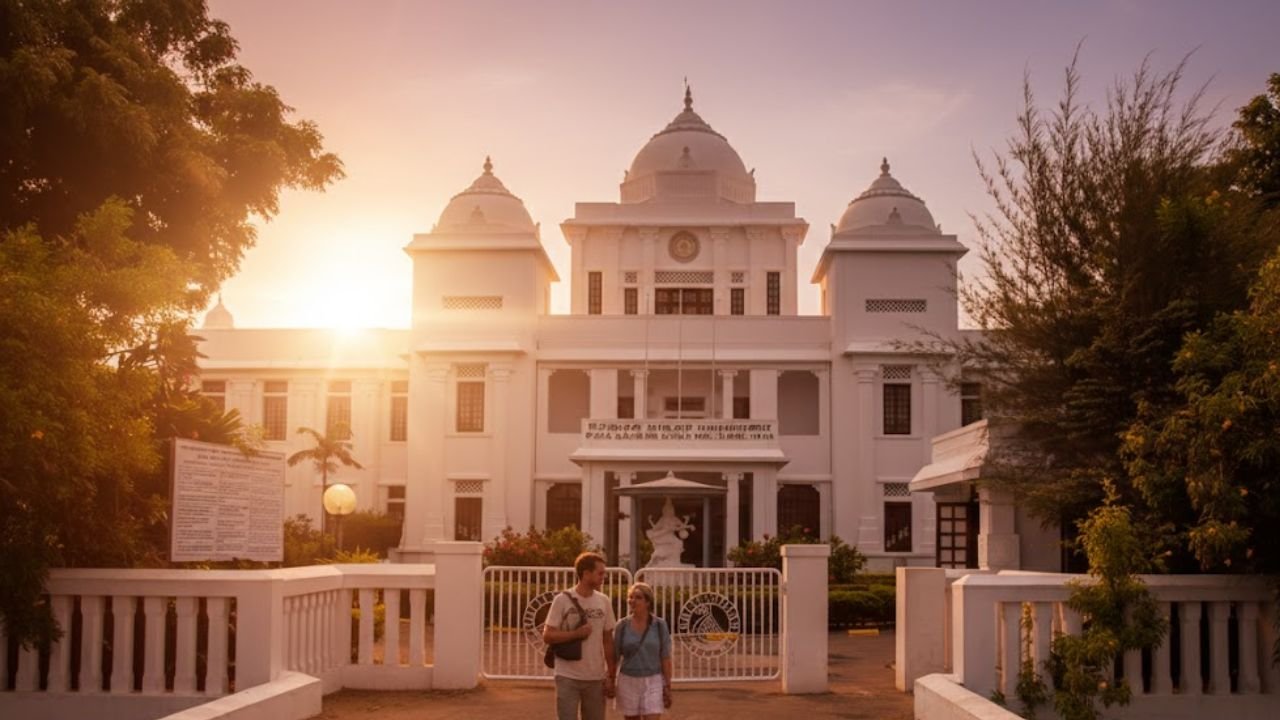
The Jaffna Public Library is not just a building; it is a symbol of the city’s intellectual pride. Once one of the largest libraries in Asia, it housed over 97,000 rare manuscripts and books before a tragic fire in 1981. Today, the rebuilt neo-Mughal structure stands as a “badge of survival.”
The architecture is stunning—pristine white walls, intricate carvings, and beautifully manicured gardens. Inside, the quiet halls are filled with students and scholars, reflecting the local community’s deep respect for education. While some areas are restricted to members, foreign visitors can admire the grand architecture and the statue of Saraswati, the goddess of knowledge, which graces the entrance.
3. Delft Island (Neduntheevu): A Step Back in Time
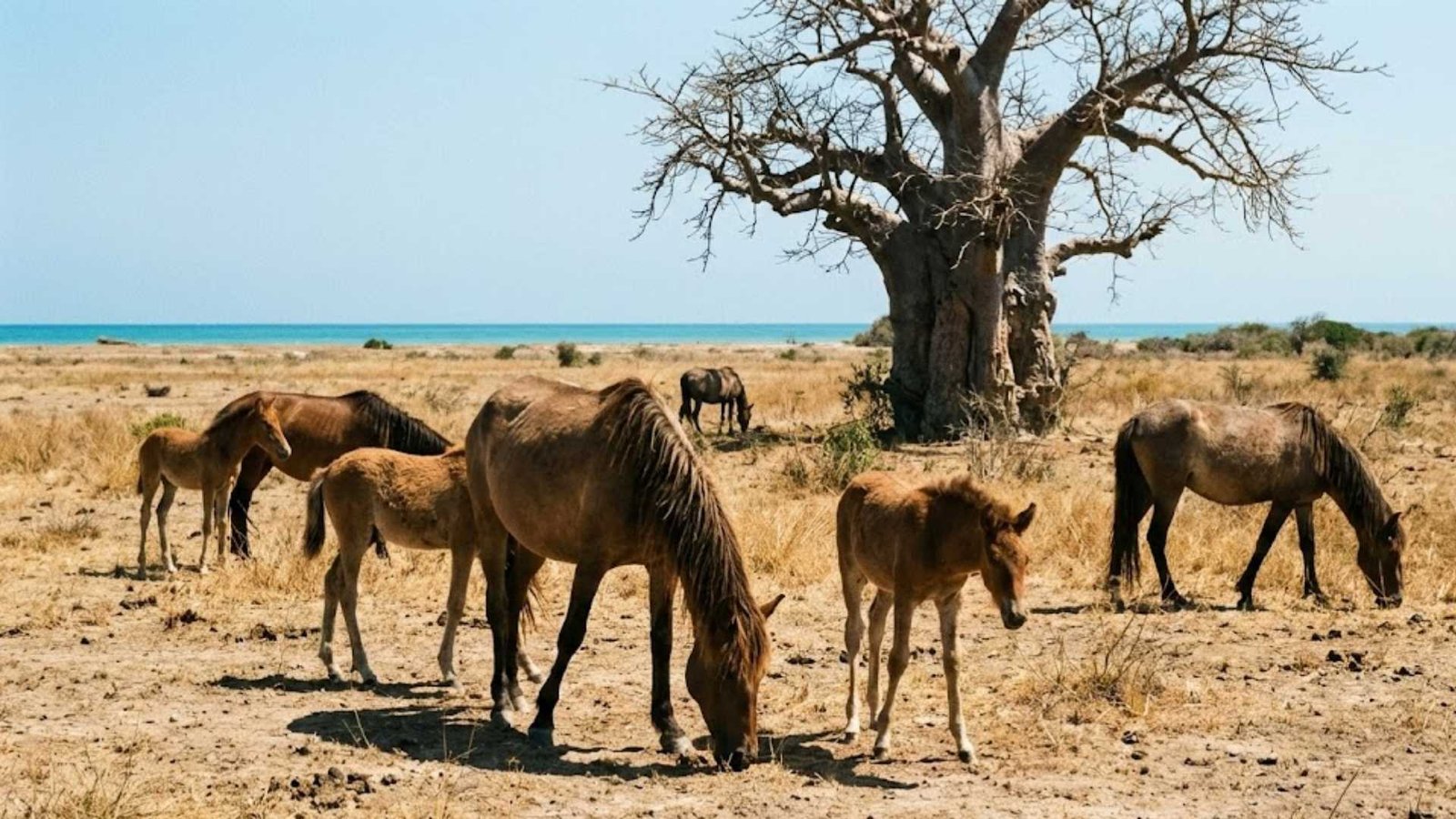
A visit to Delft Island is one of the most adventurous things to do in Jaffna. Located about 30km off the coast, this island is made entirely of coral. The landscape is otherworldly—miles of coral-stone walls, vast plains, and ancient Baobab trees introduced by Arab traders centuries ago.
The main attraction here is the wild ponies, descendants of horses brought by the Dutch in the 1600s. Seeing them graze freely against the backdrop of the turquoise sea is a photographer’s dream. Don’t miss the “Growing Rock,” a coral formation that locals believe increases in height every year, and the ruins of the Portuguese and Dutch forts.
4. Jaffna Fort: A Colonial Star-Shaped Fortress
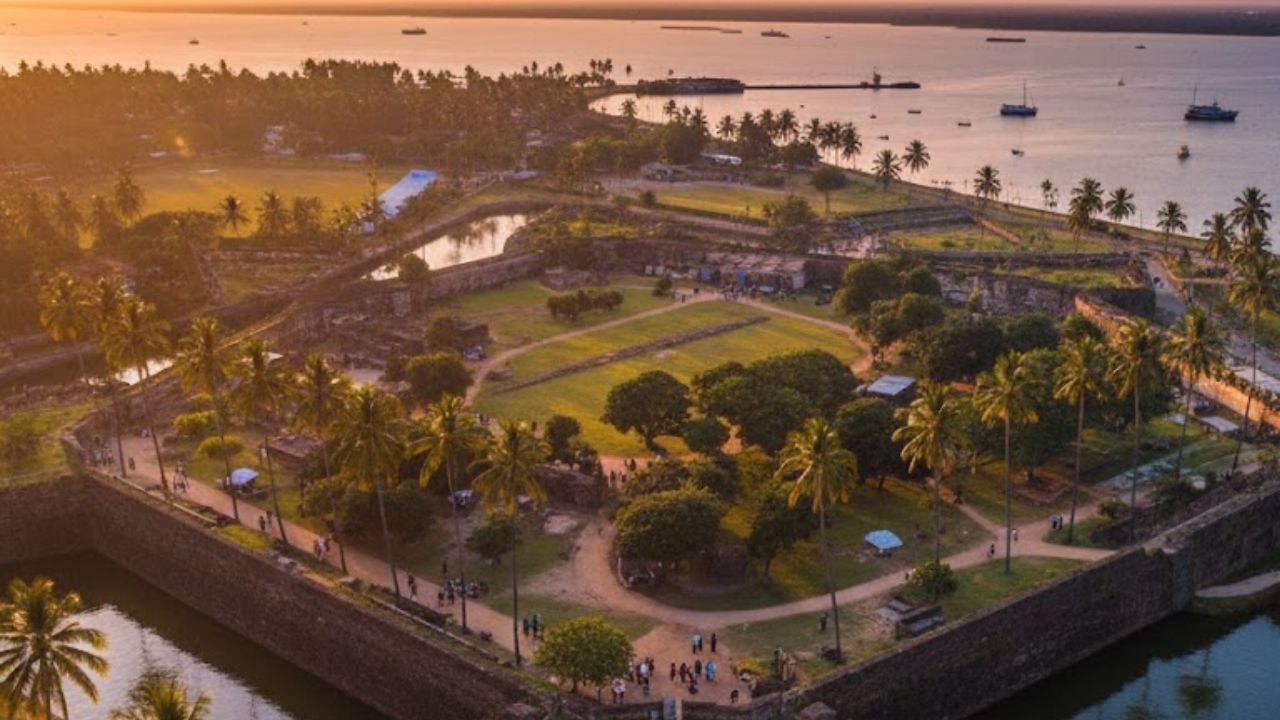
Built by the Portuguese in 1618 and later expanded by the Dutch into a sophisticated pentagonal fortress, Jaffna Fort is the second-largest existing fort in Sri Lanka. Unlike the living fort in Galle, Jaffna’s version served purely military and administrative functions.
Walking along the high limestone ramparts at sunset offers panoramic views of the Jaffna Lagoon and the city. You can explore the ruins of the Dutch Reformed Church, the Queen’s House, and the deep moats that once protected the garrison. It is a quiet, atmospheric place that tells the story of colonial shifts between the Portuguese, Dutch, and British.
5. Casuarina Beach: The North’s Coastal Paradise
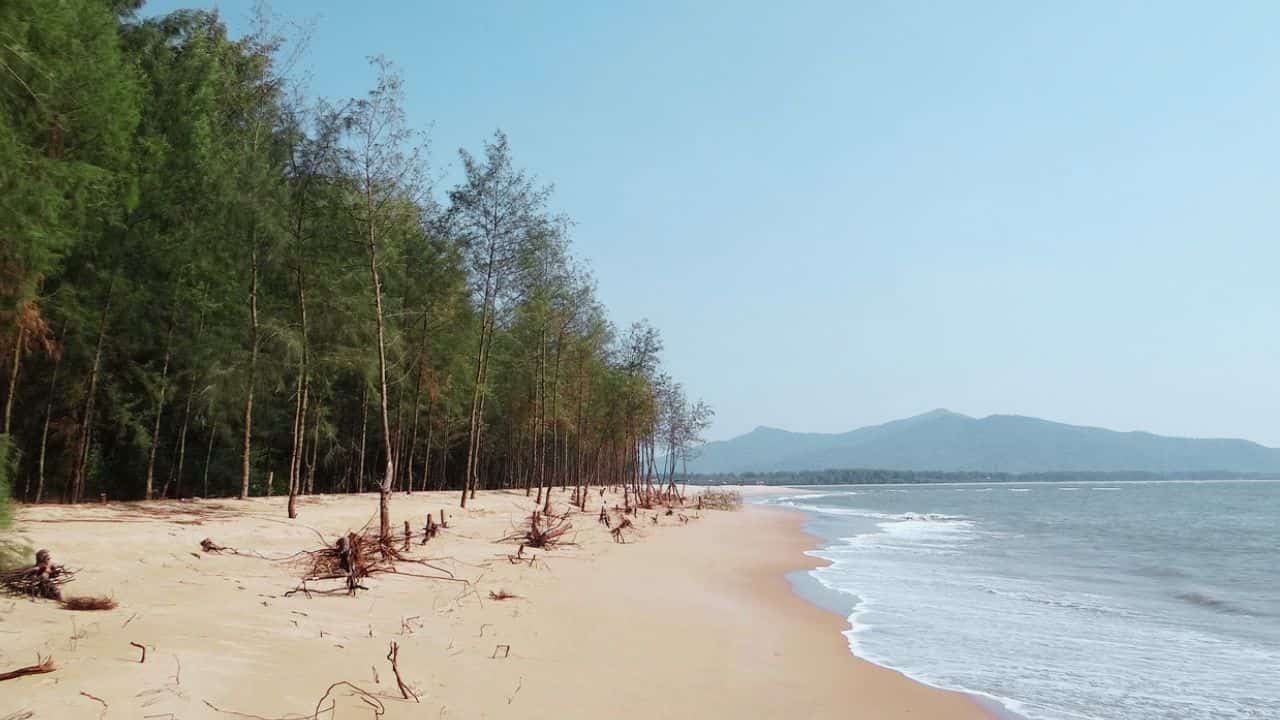
Located on Karainagar Island and accessible via a scenic causeway, Casuarina Beach is arguably the most beautiful beach in the north. It gets its name from the fringe of Casuarina trees that line the shore, providing natural shade from the intense Jaffna sun.
The water here is incredibly shallow and calm, allowing you to walk hundreds of meters into the ocean with the water only reaching your waist. The sand is a brilliant white, and the Karainagar Lighthouse at the eastern tip adds a cinematic touch to the horizon. It is a popular spot for locals, especially during weekends, offering a glimpse into Jaffna’s leisure culture.
6. Nagadeepa & Nainativu Amman Kovil: A Dual Pilgrimage
Nainativu Island is unique because it hosts two of the most sacred sites in Sri Lanka for two different religions. The Nagadeepa Purana Vihara is one of the 16 holiest Buddhist sites, marking where Lord Buddha is said to have visited during his second trip to the island to settle a dispute between two Naga kings.
Just a short walk away is the Nainativu Nagapooshani Amman Kovil, a vibrant Hindu temple dedicated to the Goddess Shakti. The temple’s intricately carved Gopuram and its location right on the water’s edge make it one of the most picturesque temples in Asia. The boat ride from the Kurikadduwan jetty to the island is a highlight of any trip.
7. Keerimalai Sacred Water Springs
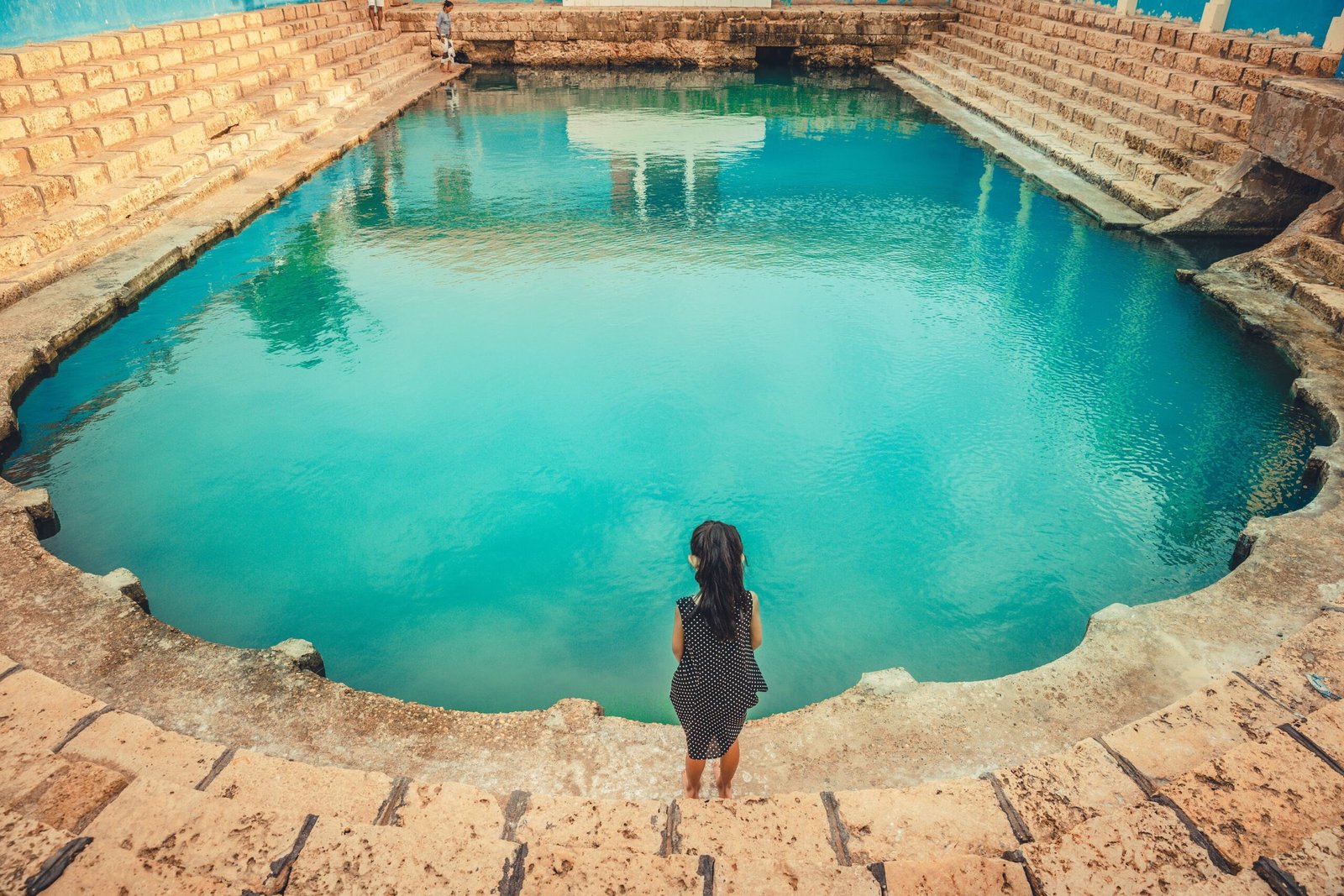
The Keerimalai Springs are natural freshwater pools located right on the edge of the sea. For centuries, Hindus have believed these waters possess miraculous healing powers. Legend tells of a sage named Nagula Muni, who was born with a mongoose-like face, but was cured after bathing in these springs.+2
The springs are separated from the crashing waves of the Indian Ocean by a stone wall. The contrast between the cool, still freshwater and the salty sea spray is an incredible experience. Nearby stands the Naguleswaram Kovil, one of the five ancient Shiva temples (Pancha Ishwarams) of Sri Lanka, making the entire area a major site for spiritual rituals.
8. Rio Ice Cream: A Sweet Local Institution
You cannot talk about things to do in Jaffna without mentioning Rio Ice Cream. Since its founding, it has achieved “cult” status. It is the social hub of the city, where families, students, and tourists gather to cool down from the heat.
The menu is famous for its colorful and creative sundaes, like the “Mega Sundae” or the “Special Mix,” topped with fruit, nuts, and jelly. While they have opened branches in other cities, the original Rio near Nallur Kovil has a unique atmosphere that cannot be replicated. It is a sugary rite of passage for every visitor.

9. Jaffna Market: The Ultimate Shopping Experience
For a true sensory explosion, head to the Jaffna Market near the main bus stand. This is the best place to find authentic northern produce. The air is filled with the aroma of dried chilies, roasted curry powder, and the sweet scent of Palmyra jaggery.
Look for Odiyal (dried palmyrah root) and the famous Nelli (gooseberry) crush. The market is also the best place to buy hand-woven Palmyrah baskets and mats, which are sustainable and unique to the region. It is a bustling, chaotic, and colorful glimpse into the daily life of the Jaffna people.

10. Manthri Manai & Sangiliyan Thoppu: The Royal Ruins
Located in Nallur, these ruins are the last remnants of the ancient Jaffna Kingdom. Manthri Manai, or the “Minister’s Palace,” is a striking building that blends colonial and traditional Hindu architecture. Though its exact origins are debated, it is widely believed to be part of the royal complex of the last kings of Jaffna.
A few meters away is the Sangiliyan Thoppu, an ancient archway that marks the entrance to the palace of King Cankili II. Nearby, a golden statue of the King stands as a reminder of the kingdom that fell to the Portuguese in 1619. Exploring these sites provides a deep historical context to the region’s royal past.
Bonus: Nilavarai Bottomless Well
As an 11th “bonus” stop, visit the Nilavarai Well. This natural underground water tank is shrouded in mystery. Legend says it is “bottomless” and connected to the Keerimalai Springs via an underground tunnel. Scientific studies have shown it reaches depths of over 170 feet, with freshwater at the top and saltwater deeper down. It is a quiet, mystical spot perfect for those who love local folklore.