Jaffna International Airport Expansion is the cornerstone of the Northern Province’s economic strategy for 2026. As the Bandaranaike International Airport (BIA) in Colombo reaches peak capacity, the development of Palaly into a fully functional international gateway has shifted from a regional dream to a national necessity. With the recent launch of the Stage 2 terminal tender in early 2026, the airport is poised to become a vital hub for trade, tourism, and the global Tamil diaspora.
The Jaffna International Airport Expansion project is not just about lengthening runways; it is about creating a logistical corridor that connects Sri Lanka’s North directly to South Asia and the Middle East. For business leaders and residents, this represents a significant reduction in travel time and a massive boost to the local export economy.
[DISCLAIMER]
The following information is for educational and business planning purposes only. While every effort has been made to ensure accuracy as of early 2026, aviation schedules, tender results, and infrastructure timelines in the Northern Province are subject to government policy changes and technical approvals
The 2026 Infrastructure Milestone: Stage 2 Terminal
The most significant update in 2026 is the commencement of the Stage 2 terminal expansion. Following the successful foundation laying in late 2025, the government has allocated approximately Rs. 700 million for a modern passenger terminal.
- Enhanced Capacity: The new terminal is designed to handle a significantly higher volume of daily passengers, moving away from the temporary facilities that defined the airport’s early international phase.
- Modern Amenities: Expect upgraded immigration desks, duty-free areas, and advanced baggage handling systems that meet international aviation standards.
- Timeline: Officials are optimistic that the core structure will be completed within the next 24 months, transforming the passenger experience by late 2027.
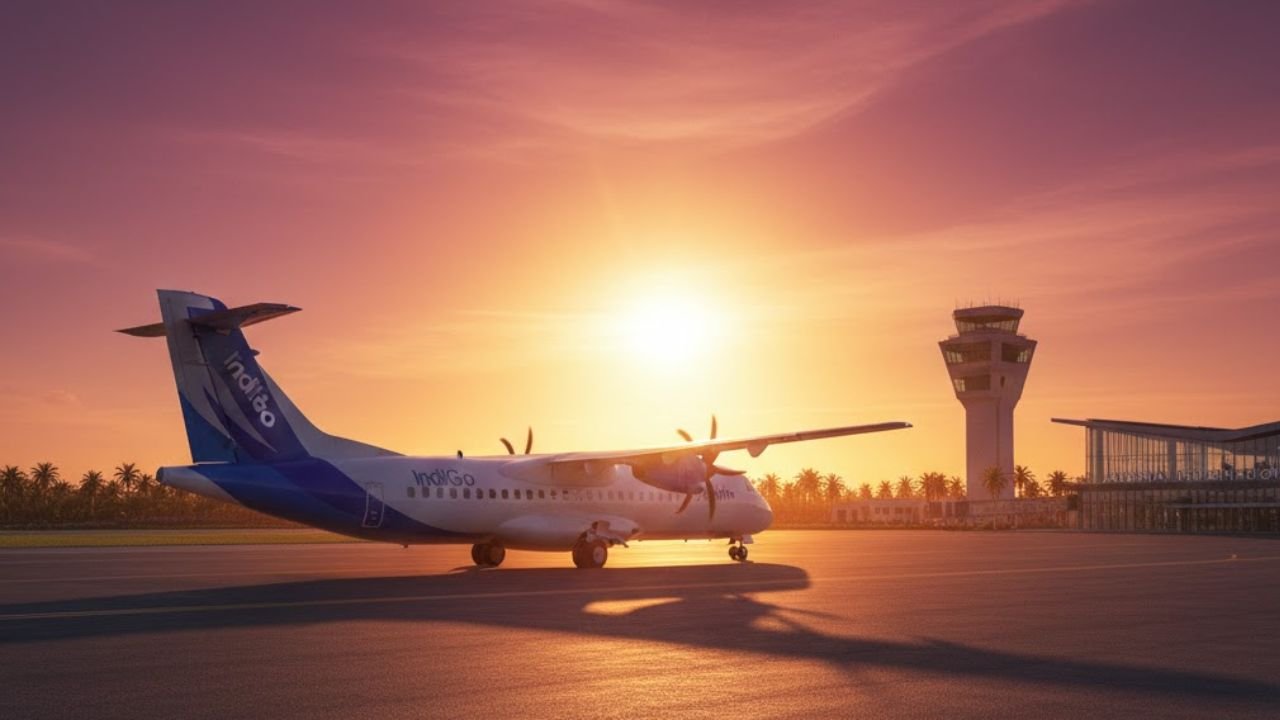
Expanding Flight Routes: Beyond Chennai
2026 marks a turning point for flight connectivity. While the Chennai-Jaffna route established by IndiGo remains the most popular, new destinations are appearing on the departure board.
- Tiruchirappalli (Trichy) Daily Service: Since its launch in 2025, the daily direct flight between Trichy and Jaffna has seen record load factors, facilitating religious and business tourism.
- Bengaluru Connection: Negotiations are underway in early 2026 to introduce direct flights to Bengaluru, India’s tech capital. This would bridge the gap between Jaffna’s emerging tech youth and the Indian IT ecosystem.
- Middle East Aspirations: Strategic studies are evaluating the feasibility of narrow-body aircraft (like the Airbus A320) flying directly from the Middle East. This would allow the diaspora in Dubai and Doha to fly home without the grueling transit through Colombo.
Economic Impact on Northern Trade
The Jaffna International Airport Expansion is a catalyst for the “Northern Investment Wave.”
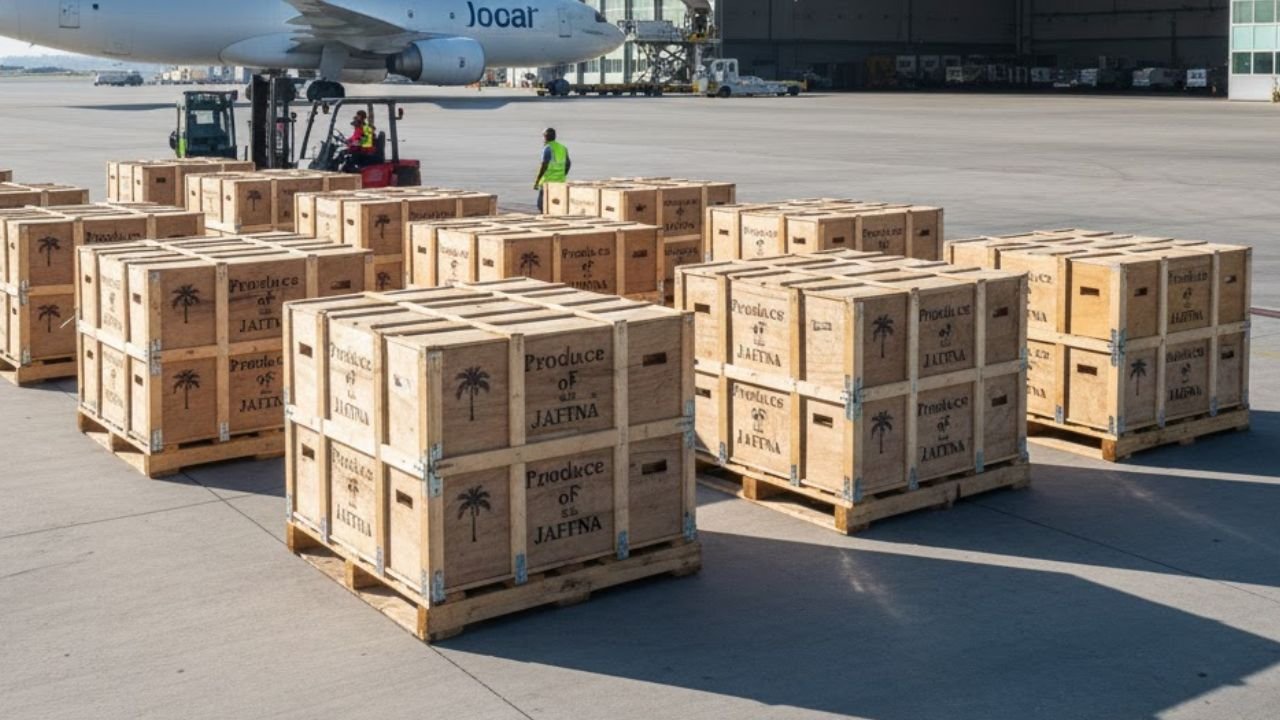
- Perishable Exports: Local farmers can now look forward to air-freighting Jaffna’s famous mangoes, seafood, and organic vegetables directly to South Indian markets, bypassing the long road journey to the South.
- Real Estate Boom: Property values in the Palaly and Vasavilan areas have seen a steady climb as developers anticipate the need for airport hotels and logistics warehouses.
The Strategic Importance of Palaly
Palaly’s transformation is essential for Sri Lanka’s target of 3 million tourists by the end of 2026. By serving as an alternate international gateway, Jaffna reduces the “over-reliance” on Colombo, distributing tourism wealth more equitably across the island. The airport’s growing operational readiness—proven by handling record-breaking daily aircraft movements in January 2026—shows that the North is ready for the world.