Jaffna, northern Sri Lanka’s cultural hub, is famous for its traditional arts and crafts that reflect centuries of Tamil heritage. From palmyrah-based products to intricate textiles and pottery, these crafts are a vital part of Jaffna’s identity and economy. This guide explores the history, significance, techniques, and modern relevance of Jaffna’s artisanal traditions.
🏺 Palmyrah Crafts
Palmyrah trees are integral to Jaffna’s lifestyle and crafts:
- Mats & Thatch: Handwoven mats and roofing materials
- Baskets & Tools: Traditional storage solutions and farming tools
- Sweets & Food Products: Palm sugar, jaggery, and traditional snacks
- Sustainable Crafting: Eco-friendly, renewable resource-based products
Palmyrah artisans continue to preserve these techniques, combining utility with cultural aesthetics.
🧵 Textiles & Embroidery
Jaffna’s textile tradition showcases vibrant Tamil designs:
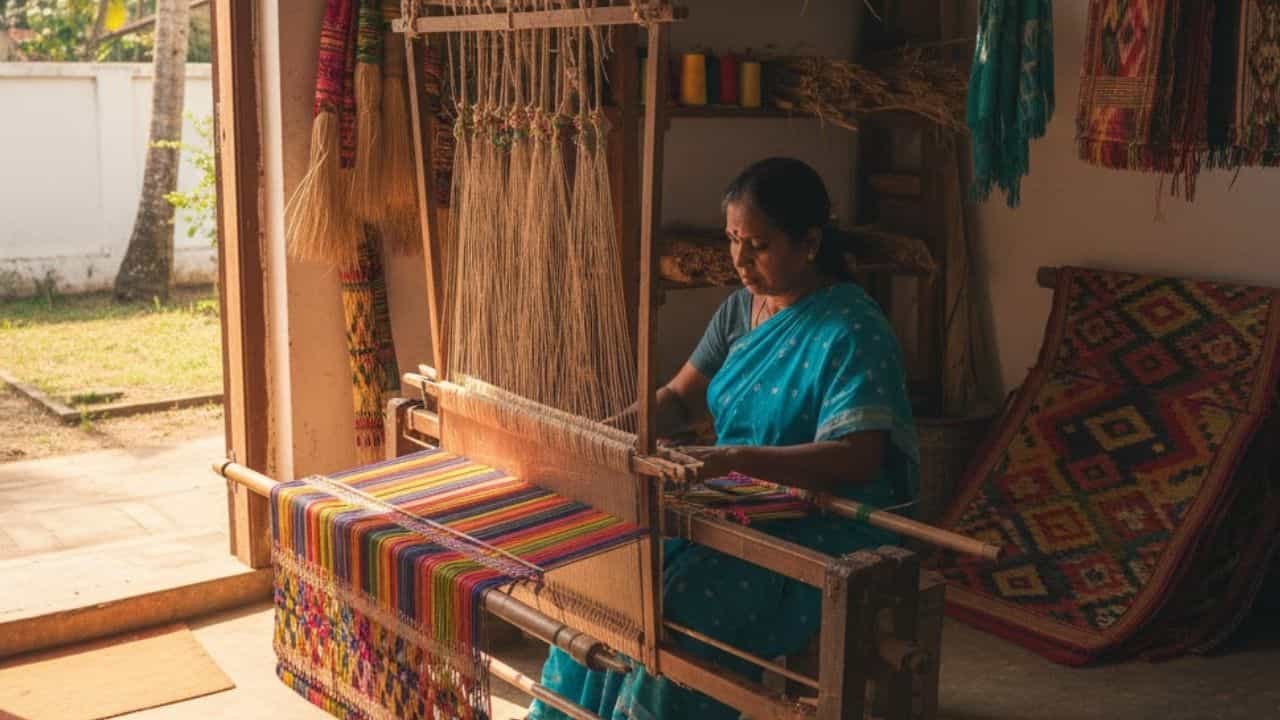
- Handloom Fabrics: Traditional attire for festivals and ceremonies
- Embroidery & Decorative Work: Wedding dresses, ceremonial cloth, and wall hangings
- Cultural Significance: Textiles represent social status, rituals, and heritage
- Tourism Appeal: Souvenirs and clothing for visitors promote local culture
Textiles are not only functional but also artistic expressions of Jaffna’s identity.
🏺 Pottery & Ceramics
Pottery remains a centuries-old craft in Jaffna:
- Clay Pots & Utensils: Daily use items with traditional designs
- Decorative Pieces: Temple offerings, sculptures, and household decor
- Techniques: Hand-rolled clay, sun-dried or kiln-fired, preserving ancient methods
- Cultural Preservation: Local artisans pass skills through generations
Pottery blends practicality with cultural symbolism, making it integral to homes and rituals.
🌸 Traditional Wood & Stone Carving
Jaffna’s temples and homes feature elaborate carvings:
- Wood Carvings: Temple doors, pillars, and furniture
- Stone Sculptures: Statues, temple decorations, and ceremonial items
- Symbolism: Religious motifs and Tamil heritage designs
- Artisan Legacy: Master craftsmen maintain techniques taught across generations
These carvings not only embellish structures but also preserve cultural narratives.
🏛️ Art in Religious & Cultural Context
- Temple Art: Murals, statues, and ceremonial decorations
- Cultural Centers & Museums: Display traditional crafts and teach workshops
- Festival Crafts: Decorative items for Nallur Festival, Pongal, and Deepavali
- Interactive Tourism: Hands-on workshops for visitors
Arts and crafts are intertwined with rituals, festivals, and community identity.
🧭 Preserving Traditional Arts in Modern Times
Challenges include globalization, urbanization, and younger generations shifting to modern jobs. Preservation strategies include:
- Government grants and NGO support for artisans
- Integrating crafts into tourism experiences
- E-commerce and online marketing for wider reach
- Educational programs to teach traditional techniques in schools
These measures ensure Jaffna’s artisanal heritage survives and thrives.
🌱 Economic & Cultural Significance
- Provides livelihoods for local artisans and communities
- Attracts tourists seeking authentic cultural experiences
- Preserves Tamil heritage and traditional knowledge
- Supports sustainable and eco-friendly practices through palmyrah and natural materials
Traditional arts and crafts remain both culturally and economically vital for Jaffna.
✅ Why Jaffna’s Arts & Crafts Are Unique
- Rooted in centuries of Tamil culture
- Diverse: palmyrah products, textiles, pottery, wood & stone carvings
- Integrated with festivals, rituals, and daily life
- Adaptable for modern tourism and global markets
Jaffna’s crafts showcase the city’s rich heritage while offering opportunities for cultural entrepreneurship.